
Metals And Mining Review


Customers often approach Paschal Associates to discuss crushers, screens or wear parts. The team, however, takes the conversation in another direction. Before talking about equipment, it wants to understand how the plant operates, where production can improve and what prevents better performance.
"We're a group of engineers that are bound together collectively to solve problems in the industry. Our emphasis is first on solving problems in the plant," says Bob Bartok, managing partner.
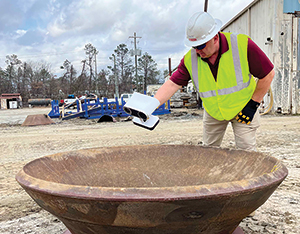 That perspective has remained central for more than five decades. Instead of evaluating equipment in isolation, its engineers focus first on the plant and its process. Process analysis, plant optimization and proprietary programs help identify opportunities across crushing, screening, washing and fine material recovery before recommending a product or change. The approach reflects a simple philosophy, engineering comes before equipment. The team first learns the operation, identifies the constraint or opportunity and determines where it can create measurable value. Equipment becomes part of the solution only after the problem is understood.
The engineering experience is grounded in firsthand customer experience. Members of the field sales team have worked as end-use customers, with some bringing three to five years and others 10 to 15 years of experience. Those experiences give the team a practical understanding of customer challenges.
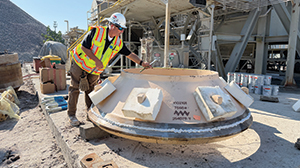
Engineers physically visit plants, walk the operation and learn the customer's goals and problems before drawing conclusions. The objective is to identify opportunities to create value rather than start with a product sale. When a challenge cannot be resolved internally, the team works with manufacturers to develop a solution. This customer-first process allows Paschal Associates to serve as an engineering resource within the operation before becoming a source for equipment or components.
 From Analysis to Action
No two aggregate operations perform alike. Material characteristics, production requirements, geology and site conditions influence how a processing operation behaves. A solution that succeeds in one facility may not work the same way elsewhere.
Paschal Associates works with equipment and screen manufacturers to develop solutions for individual applications. Its work includes customizing manganese castings and crushing chambers, improving screen and screen media performance and developing material processing strategies based on each operation's geology.
-
We're a group of engineers that are bound together collectively to solve problems in the industry. Our emphasis is first on solving problems in the plant.
Employee Ownership and Customer Alignment
As a 100 percent employee-owned company, every employee is an owner and has a personal stake in the company's success. That ownership creates an entrepreneurial environment in which employees are encouraged to think and act like owners, take responsibility for customer outcomes and consider the long-term impact of their decisions. The ownership influences how employees serve customers and make decisions, with an emphasis on long-term relationships. In a small team, employees also wear multiple hats and rely on one another.
Customers benefit from the collective knowledge of a technically diverse team. Members share lessons from previous applications, geologies and geographies. As Jason Babcock, sales engineer, explains, "We're willing to take and apply a lesson learned in one geology and one geography, share that amongst our team and then carry that solution forward into other applications as well."
For new projects and current applications, the team uses proprietary programs to model potential solutions. It then verifies those models through on-site testing and process verification. Case studies help show whether the approach delivers the expected value.
Paschal Associates also provides on-site training and coaches customers through maintenance procedures. The objective goes beyond teaching customers how to operate or maintain equipment. Training is intended to share Paschal Associates' technical knowledge, help customers understand their equipment and processes and give them the knowledge needed to maintain assets and improve performance. Through a partnership with a full-fledged training facility, the company helps more than 100 industry members each year improve maintenance and process-efficiency skills. It views this training as an extension of its engineering mission and a way to transfer technical knowledge accumulated over decades to the next generation of aggregate producers.
Delivering Measurable Results
One recent example involved a client looking to extend the wear life of its jaw crusher and jaw dies. Paschal Associates introduced a new technology through a beta test. The approach increased productive tonnage from 1.2 million to 2.1 million tons from a single set of jaw dies. The result gave the customer reduced maintenance needs and extended runtime while increasing the productive output from a single set of jaw dies.
The example reflects the broader approach Paschal Associates brings to customer challenges. Rather than beginning with a predetermined product, its team studies the application, evaluates the available options and verifies the solution in the field to determine whether it delivers the intended result.
More than five decades after its founding by Fred Paschal, Paschal Associates continues to pursue the goal Bob Bartok described: to remain the engineering resource customers need to enhance their operations. By learning the plant first, the company aims to identify where it can create value and bring together engineering expertise, equipment knowledge, manufacturer relationships and field experience. This combination reinforces the company's position as more than an equipment representative or distributor. Its role is to understand the plant, solve the process challenge and help aggregate producers improve the performance of their operations.
Crushing and Screening Decisions That Protect Plant Output
A crushing and screening purchase can underperform long before equipment reaches the end of its service life. Poor feed characterization, mismatched screen capacity, unsuitable wear components and unstable material flow can restrict tonnage or increase recirculating load. They can also force maintenance crews into avoidable interventions. The buying decision therefore extends beyond equipment specifications. Executives must judge whether a supplier can understand the plant as a connected process and translate that understanding into equipment choices that hold up under actual geology and production demands.
Site conditions should drive configuration. Feed gradation, moisture content, abrasiveness and target product shape influence crusher selection and screening performance, yet these factors are often reviewed in isolation. A plant may have enough installed horsepower but still lose output through an inefficient chamber profile or ineffective media selection. The strongest providers begin with plant observation and process analysis rather than a product pitch. They should be able to locate material-flow constraints, model alternatives, test the proposed change and document the field result.
Wear life deserves the same scrutiny as nominal capacity. Lower purchase cost can become expensive when jaw dies, liners or screen media require frequent replacement. Buyers should compare productive tonnage per component and unit cost while accounting separately for maintenance labor. Customization also matters. Generic manganese patterns or standard media may be adequate in some applications, but difficult feed conditions often require chamber adjustments, casting changes, media redesigns and revised process settings. A provider that can work directly with manufacturers on these changes has more influence over the final result than one limited to catalog selection.
Technical support should continue after installation. Equipment performance depends on correct setup and disciplined maintenance, particularly when plants face staffing gaps or uneven experience across shifts. On-site coaching and structured training can help crews recognize abnormal wear and protect screening efficiency. They can also improve the consistency of maintenance work. Modeling tools are useful, but their value rests on verification. Suppliers should be prepared to test assumptions in the plant and compare predicted performance with measured results, then refine the recommendation where necessary.
“Paschal Associates’ team combines plant visits and process analysis with software-based modeling and field verification across crushing and screening applications.”
Response capacity is another practical concern. Aggregate producers cannot always wait through extended sourcing cycles when a crusher component fails or a screen limits production. Buyers should examine product availability and supplier relationships while also assessing technical coverage behind the local contact. A small team may still be effective when field personnel bring end-user experience and can draw on engineering support across multiple applications.
Paschal Associates is a strong fit for producers that want engineering input before committing to equipment or wear components. Its team combines plant visits and process analysis with software-based modeling and field verification across crushing and screening applications. It also develops customized castings and screen media with manufacturing partners when standard designs do not match the duty. Its training approach supports maintenance crews through on-site coaching and access to a dedicated training facility. For plants trying to improve output without treating every problem as an equipment replacement, Paschal Associates offers a disciplined route from diagnosis to verified change.
...Read more
Aggregate Crushing and Screening Solutions Info
Q1
What Problems Do Aggregate Crushing and Screening Systems Address?
Aggregate Crushing and Screening Solutions help processing plants manage material flow, control product sizing and improve the consistency of production. The work can involve crusher configuration, screen performance, wear components and process adjustments rather than equipment selection alone. Site geology, feed characteristics and production requirements can change how a system performs, making plant-specific analysis important. The right scope depends on what the operation is trying to improve and where losses or constraints occur.
Q2
How Does Paschal Associates Approach Plant Crushing and Screening Needs?
Paschal Associates approaches Aggregate Crushing and Screening Solutions through an engineering-first process. Its engineers visit plants, examine operating conditions and identify constraints before recommending equipment or components. The company uses process analysis, plant optimization and proprietary programs to model potential changes, then verifies those recommendations through on-site testing and process verification. Its work can include crushing, screening, washing and fine material recovery. Field experience also informs how the team interprets conditions before selecting a response.
Q3
What Factors Matter When Evaluating Crushing and Screening Performance?
Effective Aggregate Crushing and Screening Solutions account for factors such as geology, material characteristics, feed gradation, moisture, abrasiveness and target product shape. Screen capacity, crushing chamber design, wear life and material flow can also affect output and maintenance requirements. Evaluating these elements together can reveal constraints that may not be apparent when individual pieces of equipment are considered separately. Productive tonnage, component life and maintenance demands can provide useful measures when comparing potential changes.
Q4
How Can Aggregate Crushing and Screening Solutions Improve Equipment Decisions?
A useful approach connects equipment choices to measurable plant requirements. Aggregate Crushing and Screening Solutions may involve modeling alternatives, testing assumptions and comparing predicted performance with field results. Paschal Associates develops customized manganese castings and crushing chambers and works with screen and screen-media manufacturers when standard designs do not suit an application. This can help align component selection with the actual duty and operating conditions. The process also allows recommendations to be adjusted when field results differ from the initial model.
Q5
What Role Does Technical Training Play in Aggregate Crushing and Screening Solutions?
Technical support can extend beyond installation when Aggregate Crushing and Screening Solutions include maintenance guidance and process knowledge. On-site coaching can help crews understand equipment, recognize wear and follow maintenance procedures. Paschal Associates also works with a training facility that helps more than 100 industry members each year develop maintenance and process-efficiency skills, extending technical knowledge beyond an individual equipment recommendation. Training can support more consistent maintenance practices and help teams understand the relationship between equipment condition and process performance.
Q6
How Does Paschal Associates Verify the Value of Aggregate Crushing and Screening Solutions?
Paschal Associates uses field verification alongside engineering analysis to determine whether a proposed change produces the intended result. In one documented application, a technology tested for a jaw crusher increased productive tonnage from 1.2 million to 2.1 million tons from one set of jaw dies. That result illustrates how Aggregate Crushing and Screening Solutions can be assessed through measured plant performance, rather than relying solely on equipment specifications or modeled expectations. This approach connects analysis with an observable operating result and provides a basis for refining future recommendations.
Company
Paschal Associates
Management
Bob Bartok, Managing Partner and Jason Babcock, Sales Engineer, Drew Barksdale, Sales Engineer, Ryan Bartok, Operation Services
Description
Paschal Associates helps aggregate producers address process and equipment challenges through an engineering-first approach. Combining process analysis, plant optimization, field experience, proprietary modeling and technical support, the employee-owned company develops solutions for crushing, screening and wet processing based on the needs of individual operations.