

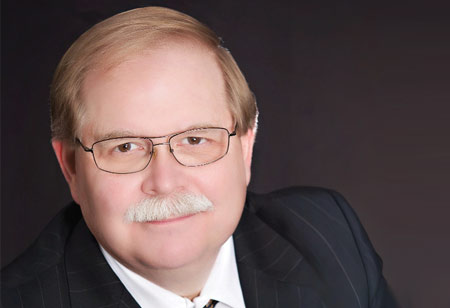
Mark Hansen
Mark Hansen, M.S., P.E., CSP, CPEA, CPSA, CPE, FASSP is a recognized safety, risk management and operational resilience executive with more than 35 years of experience helping organizations reduce risk, improve performance and protect enterprise value across high-hazard industries. Mark has held senior leadership and technical advisory roles supporting the energy, mining, manufacturing, utilities, construction, insurance, government and private equity sectors.
Mark has over 250 publications and is a frequent speaker and industry contributor. Mark has developed technical publications, professional presentations, training programs and thought leadership addressing safety leadership, risk governance, ESG, sustainability, process safety, contractor management and operational resilience.
Mark holds a B.S. in Psychology and a M.S in Industrial Engineering. He has also held leadership positions within professional organizations, including the American Society of Safety Professionals (ASSP), contributing to professional development, mentoring and advancement of the safety profession. Mark is a past president of the ASSP and a past recipient of the Safety Professional of the Year Award.
Mark is recognized for bridging the gap between engineering, operations, safety and executive leadership, helping organizations move beyond compliance toward resilient operations and sustainable business performance.
The Evolution of Workplace Safety
Once upon a time safety was all manual. Managing injury logs, data collection, training, design, industrial hygiene and the list go on, it was all manual. It was all manual. All this introduced the potential for error and missed deadlines, not to mention time-consuming.
Safety has grown and changed dramatically since those days. There was a time when safety was just one of many silos that rarely communicated with other silos. Workers getting hurt was just a regular and often expected event. Since then, safety and operations have been able to bring those silos together and protect workers in an integrated fashion. All this for improved workplace safety and a safer work environment.
A New Approach to Risk Prevention
In the past our metric was the archaic Total Recordable Incident Rate or TRIR. Many industries today are evolving towards and embracing the Serious Injuries & Fatalities (SIF) methods to reduce life-changing events and workers now are more often going home like they came into work. We now focus on critical controls to prevent fatal risks. This has changed how work is performed such that it is safer for workers.
“Technology now allows safety professionals to spend more time in the field working with employees, building relationships, trust and getting worker input.”
The advent of contractor safety platforms like (Veriforce, ISNetowrld and Avetta) allows companies to implement and measure the effectiveness of methods to ensure contractors are equally prepared for work and to work safely. This is especially true for the high-hazard tasks contractors are typically hired to perform.
One of the biggest and often uncontrolled exposures is vehicles and mobile equipment. With accompanying technological features like In-Vehicle Monitoring Systems companies now have visibility into driving risks we surmised about in the past. These systems can now be used both proactively as a teaching tool as well as a prevention tool. All in all, worker safety is being put front and center.
Energy isolation (and other permit systems) remains a key component to propagating worker safety ensuring all energy devices are placed in a safe mode prior to conducting maintenance or controlled work. This still relies on worker involvement to make sure it is done correctly.
Technology Driving Safer Workplaces
One of the places where technology continues to make large bounds is industrial hygiene. There was a time when personal air monitoring was cumbersome and workers often despised having to wear it for a whole workday. Since then, these instruments have become easier and easier to use, understand and deploy. Now, the instruments that collect this industrial hygiene-related information are getting smarter and easier to perform every year. Instead of manually taking the data directly from the instrument, it can now send it directly to your desktop in spreadsheet form. His reduces the potential for inducing data collection errors among other issues. Whether it is heat stress, dangerous gases, silica or dust, light, noise, radiation, etc., it is now easier to identify and take action to prevent these risks to workers than ever before.
Waste management continues to be a risk and there is clearly a need for water, waste and emergency management to ensure safe and healthful operations. These risks are longterm and need to be addressed at least annually. Leaps and bounds have been made in these areas improving worker and public safety as the years have passed.
Putting People at the Center of Safety
Years ago, human factors were considered a nuisance discipline that got in the way of operations. Today, it is involved in decision-making such as fatigue, workload and yes, even communication. Now we are even seeing mental health enter the workplace as a result of the COVID days. We are now looking at the whole employee. Great advances have been made to ensure human factors are included in all facets of work to ensure a safe work environment.
Strengthening Process Safety Management
Even Process Safety Management (PSM) has touched metal and mining by removing the “gray” areas and making them “black and white.” Management systems have a way of doing that. One of the key components includes Process Hazard Analysis (PHA). By evaluating hazards systematically (e.g., Bow-Tie), they can be more easily eliminated or controlled. Management of change is also key to ensure changes don’t mitigate safety controls or create new hazards. Mechanical Integrity ensures equipment is repaired before it breaks down during operation. Pre-Start-Up safety reviews help us ensure all changes are completed for safe operation. There is a total of fourteen elements, but these are the key components that reduce the risk of injury in metals and mining.
The Future of Safety Leadership
Lastly, Artificial Intelligence (AI) has come a long way in a short period of time but for now there is still a clear need for safety professionals and operations in the workplace. All of these advances allow safety professionals to spend more time in the field working with employees building relationships, trust and getting worker input. Trust me, when you ask workers their thoughts, they aren’t bashful. In fact, you need to be prepared because workers can be quite brutal providing feedback. In the end, we can build confidence with workers that they can ask for help and you provide it in whatever form that means.
As safety and operations have inevitably grown closer we are seeing an improvement by dropping incident rates to less than half what they were twenty-years ago. The bottomline is that more workers are going home safely and leading productive lives outside of work. Now, that’s what I call progress!
