

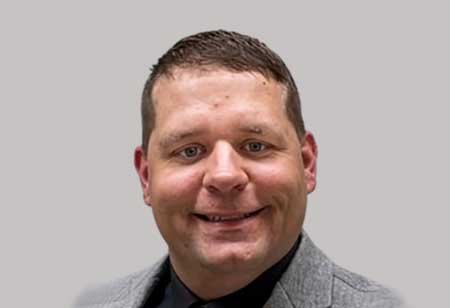
Joshua Johnson
Turning Complexity into Coordinated Execution
Mining and petroleum projects are among the world’s most complex industrial undertakings, requiring significant capital investment, multidisciplinary teams, and years of coordinated planning and execution.
One of the greatest challenges is maintaining focus on decisions that create long-term value. Tier 1 projects generate constant urgent issues, and teams can easily become reactive. Successful leaders prioritize what is most important over what is urgent. Eisenhower's principle—what is important is seldom urgent, and what is urgent is seldom important— remains a valuable guide.
Another challenge is balancing modern information systems and approval processes with practical execution. Digital tools can improve efficiency when implemented effectively, but systems should support teams rather than become obstacles. At the Hermosa Project, I was impressed by the engineering team's disciplined approach to document control and file management. Simple, consistent naming and storage practices improved communication, traceability and accountability. Approval workflows and procurement processes must enable work, not delay it. Projects ultimately depend on the availability of people, equipment and materials.
Leading through Alignment and Accountability
The most important lesson I have learned is the value of maintaining alignment while managing expectations. Large projects bring together individuals and organizations with different objectives, incentives and perspectives. Without a shared understanding of priorities, inefficiencies quickly emerge.
For me, the proper order of priorities is safety, quality, schedule and cost. Teams that remain aligned around these principles are better positioned to overcome challenges and deliver successful outcomes. One of my favorite aspects of the Hermosa Twin Shaft Project was the consistent support from Redpath's senior leadership to prioritize safety and quality above all else. That commitment gave project teams confidence to make sound decisions in the field.
Building Discipline into Project Execution
One practice that has proven especially valuable is maintaining a decision register that records key decisions, risks, constraints and the rationale behind each course of action. While these require discipline, they provide critical context for future teams and prevent projects from revisiting decisions without understanding the original circumstances.
Another effective tool is our structured weekly planning process, known as the 7-21 Meeting. We review the next seven days in detail, aligning departmental priorities, resources, constraints and upcoming milestones and objectives. This improves communication, identifies conflicts early and ensures resources are aligned before issues arise. To improve engagement, we also introduced recognitions to highlight individuals and specific contributions that were critical to project success.
The same collaborative approach extends to design. At 30 to 60 percent completion, stakeholders from operations, maintenance, electrical, safety, procurement and engineering participate in formal reviews, evaluating constructability, operational effectiveness, maintainability, procurement requirements and safety considerations. While this requires additional effort early, it consistently reduces rework, minimizes schedule impacts, and improves overall project outcomes.
Turning Field Experience into Lasting Impact
Developing Tier 1 mining projects is one of the most rewarding careers in the resources sector, combining complex technical challenges with opportunities to create lasting economic value and provide essential resources.
Practical field experience early in a career provides lessons that cannot be learned from reports or drawings alone. Continued investment in technical knowledge, leadership skills and professional networks further strengthens an individual's ability to contribute and grow. Open communication with employers regarding personal and family needs is equally important for sustaining a successful career.
Redpath has provided opportunities for professional development and family stability through rotational work arrangements and diverse project assignments. I have supported major projects like Resolution Copper and the Hermosa Twin Shaft Project in engineering leadership roles.
At Resolution Copper, my team developed an innovative methodology that earned Redpath's Safety Innovator Award. At Hermosa, we used detailed cycle tracking and performance analysis to identify improvement opportunities and implement proven practices and site-specific innovations, contributing to significant improvements in shaft-sinking performance. Being part of teams that solve complex problems while improving safety and efficiency is rewarding.
