

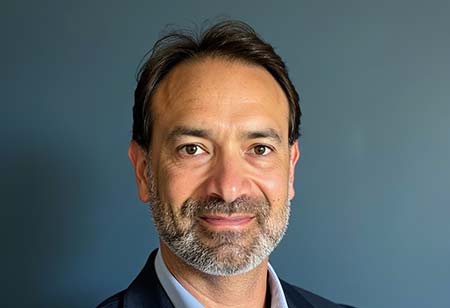
Donovan Gross
My Leadership Lessons: Safety Ownership Starts in Field
My experience in HSE leadership has reinforced that strong safety cultures are built through people, trust and consistent behavior at every level of an organization. The way people are treated, developed and trusted, along with the behaviors modeled by leadership, ultimately define the culture. Policies and mandates alone are ineffective without this foundation.
A key principle in my approach is that safety ownership must be pushed outward rather than centralized. Empowering individuals in the field to make decisions, stop work when needed and actively identify hazards fosters accountability instead of mere compliance. When people feel heard, safety becomes personal.
Consistency in standards is equally critical. What leaders tolerate becomes the standard. In high-risk environments, credibility is essential. If expectations are applied inconsistently, trust erodes. Leaders must model the behaviors they expect and hold themselves and others accountable at all times.
Clear communication is another cornerstone. Direction must flow from leadership, while frontline workers need safe, accessible channels to raise concerns without fear. Engagement in the field is where culture truly develops. Spending time on-site, listening to teams and understanding their challenges builds trust and reveals risks that metrics may not capture.
Ultimately, strong safety cultures are built on consistency, accountability, open communication and respect for the workforce. When these elements are present, safety becomes a shared responsibility across all levels of the organization.
Mining Sector Shift: Sustainability Raises Stakeholder Expectations
The mining sector is undergoing a significant shift, though not a complete reinvention. Core HSE principles such as hazard identification, controls and regulatory compliance remain stable and well established. What is changing rapidly is the broader context, particularly sustainability expectations.
While traditional risk management frameworks are still effective, external pressures related to ESG have intensified. Investor and community expectations now directly influence access to capital, project approvals and long-term viability. ESG performance has become a core business factor rather than a secondary consideration.
This creates a gap. Many organizations continue to rely on traditional HSE systems, while stakeholders evaluate them through a broader lens that includes climate impact, biodiversity, water stewardship and community trust. As a result, companies may remain technically compliant but still face reputational or financial risks.
The challenge moving forward is aligning established HSE frameworks with evolving ESG expectations. Organizations that can bridge this gap will be better positioned to maintain both operational performance and stakeholder confidence.
Operational Balance: Integrated Systems Prevent Costly Trade-Offs
Balancing these priorities starts with a clear understanding that while mining is a production-driven business, it cannot succeed at the expense of people or the environment. These are non-negotiable boundaries.
The solution lies in integrating safety, environmental responsibility and workforce well-being into the design of operations. Planning, engineering and workflows must account for these factors from the outset. When systems are designed this way, teams are not forced to choose between production and doing the right thing.
Employee well-being plays a crucial role. Fatigue management, mental health and engagement directly impact both safety and productivity. Organizations that invest in their workforce through training, clear expectations and supportive leadership tend to perform better overall.
Cost considerations are always present, but the focus should be on long-term value rather than short-term trade-offs. Investing in proper infrastructure, controls and maintenance reduces incidents and improves efficiency over time.
“A successful career in HSE leadership begins with technical credibility. A deep understanding of risk, controls, regulations and field operations is essential. This expertise builds trust and supports sound decision-making.”
Leadership consistency is what ties everything together. Mixed signals, such as prioritizing production in one instance and safety in another, undermine the system. When expectations are clear and consistently reinforced, teams align around delivering safe, responsible and efficient operations.
Safety-Focused Leadership: Care and Competence Build Accountability
The most impactful leaders I have worked with share a consistent set of qualities. They genuinely care about people and combine that with strong technical competence. This balance builds trust and ensures decisions are made with both integrity and expertise.
Effective leaders are visible and engaged. They understand the work firsthand by spending time in the field, asking questions and listening to their teams. Importantly, they follow through on concerns raised, which strengthens credibility.
They also maintain high and consistent standards. Safety, environmental responsibility and operational excellence are non-negotiable. These leaders hold themselves to the same standards they expect from others, creating clarity and trust.
Clear communication is another defining trait. Strong leaders can translate complex challenges into clear priorities and foster an environment where people feel comfortable speaking up. Transparency about business realities further strengthens alignment and performance.
The key lesson is that leadership is not about choosing between people and performance. The best leaders deliver both by combining care for their teams with strong technical judgment, creating environments where safe and effective work can thrive.
HSE Career Advice: Credibility Builds Leadership Influence
A successful career in HSE leadership begins with technical credibility. A deep understanding of risk, controls, regulations and field operations is essential. This expertise builds trust and supports sound decision-making.
As professionals move into leadership roles, they must develop a broader understanding of the business. This includes recognizing how safety and environmental decisions impact production, cost and overall risk. Strong leaders can connect these elements effectively.
Equally important is the ability to engage with people. Effective leaders prioritize well-being, communicate transparently and spend time in the field learning from their teams. They also maintain consistent standards and lead by example.
Influence is another critical skill. HSE leaders often work across functions without direct authority, so success depends on relationships, credibility and clear communication. Explaining the reasoning behind decisions and linking them to business outcomes increases impact.
Finally, it is important to stay grounded in the purpose of the role. HSE leadership is about protecting people, preserving the environment and enabling responsible operations. By combining technical expertise, business awareness and a people-focused approach, professionals can build meaningful and successful careers in this field.
