
Metals And Mining Review

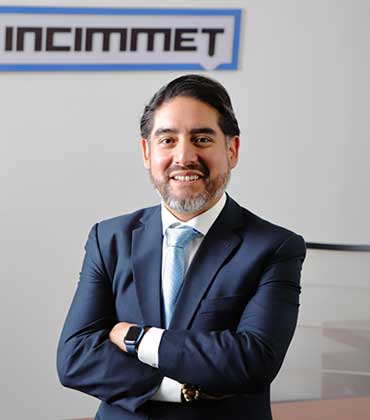 Eduardo Cossio, Executive Chairman and CEO
Against this backdrop, INCIMMET differentiates itself by combining underground mining field experience, engineering capability and field execution. The company designs and implements backfill systems with an operating mindset: the plant, distribution network, barricades, mix design, quality control program and stope filling sequence must all work together with the mine plan.
Engineering around Mining Requirements
For INCIMMET, backfill is part of a broader mining approach where methods, geomechanics, production continuity, safety and quality assurance work together. Turning that philosophy into performance requires more than sound engineering. By integrating underground mining experience, engineering expertise and field execution, the company supports clients from early studies through construction, commissioning and ramp-up, translating design intent into reliable underground performance.
“At INCIMMET, backfill is not treated as an isolated activity. It is a controlled operating system that connects mine planning, ground stability, production continuity, quality assurance and safe execution,” says Eduardo Cossio, Executive Chairman and CEO.
That philosophy begins with a detailed assessment of each mine. INCIMMET evaluates the mining method, orebody geometry, extraction sequence, geotechnical conditions, production targets, available infrastructure and site-specific constraints to define what the backfill system must achieve. Depending on the operation, objectives may include ground stability, dilution control, ore recovery, waste utilization and greater flexibility in extraction sequencing.
A defining aspect of INCIMMET’s approach is treating material characteristics as design inputs rather than limitations. Through material characterization, laboratory testing and mix design validation, the company develops hydraulic, paste, cemented and cemented rock fill solutions tailored to the mining method. Rather than applying a standard formula, it refines density, binder dosage, strength, curing behaviour and transport conditions to achieve the required geotechnical and operational performance.
The same philosophy extends to the entire backfill system. It evaluates plant design, transport and reticulation networks, instrumentation, barricade criteria and operating procedures alongside CAPEX and OPEX considerations. Trade-off studies compare technical performance, operational requirements, safety and long-term value to identify the solution best suited to the mine’s operating objectives.
-
At INCIMMET, backfill is not treated as an isolated activity. It is a controlled operating system that connects mine planning, ground stability, production continuity, quality assurance and safe execution.
The same philosophy extends to the entire backfill system. It evaluates plant design, transport and reticulation networks, instrumentation, barricade criteria and operating procedures alongside CAPEX and OPEX considerations. Trade-off studies compare technical performance, operational requirements, safety and long-term value to identify the solution best suited to the mine’s operating objectives.
Converting Design into Mine Performance
Successful backfill depends on disciplined execution. During implementation and operation, INCIMMET focuses on the controls that transform engineering into dependable results. Density management, binder control, rheology, barricade performance, curing periods, strength monitoring and QA/QC procedures are treated as critical operating parameters. Operator training and continuous optimization support consistency from commissioning through operation.
The company also works closely with mine planning, operations and geomechanics teams to coordinate filling windows, stope handovers, curing milestones and production schedules. The result is improved predictability, stronger operational continuity and a more efficient mining cycle.
The effectiveness of this approach is reflected in projects across Latin America. In Peru, the company has supported hydraulic, cemented, paste and cemented rock fill (CRF) applications at Raura, Colquijirca, Uchucchacua and Tambomayo. At Raura, mine-generated waste rock was transformed into engineered cemented fill that supported stability, improved the use of mined-out voids and strengthened extraction continuity.
For Antofagasta Minerals’ Cachorro Project in Chile, INCIMMET developed a trade-off study of backfill alternatives. Meanwhile, in Colombia, it delivered the conceptual, basic and detailed engineering for the Cemented Rock Fill plant at Aris Mining’s Segovia Mine.
As underground mining continues to evolve, engineered backfill is becoming an increasingly important enabler of safer, more productive and more sustainable operations. For INCIMMET, every backfill system is designed to help mines maintain continuity, maximize available resources and support the next stage of extraction.
Mine Backfill that Keeps Production Moving
Underground production rarely slows because of the mine plan itself. More often, the problem lies in turning stope designs into completed backfill. A fill program may look good on paper, yet still delay ore release when barricades are late, pipelines clog, curing takes longer than planned or strength results arrive too late for the next mining face.
Mine managers also have to fit backfilling around mucking cycles, ventilation limits, equipment movement and underground access. Miss one fill window and the impact can spread across development headings, production schedules and contractor productivity. For executives evaluating mine backfilling services, the real question is not whether a contractor can place fill underground. It is whether they can keep the fill cycle in step with production and ground-control requirements without disrupting day-to-day mine operations.
The selection process starts long before a backfill plant is chosen. Mining method, stope geometry, exposure requirements and available materials all shape whether hydraulic fill, paste fill, cemented hydraulic fill or cemented rock fill is the right solution. Tailings and waste rock should be treated as valuable design inputs rather than problems to work around. The best providers first understand how materials behave by testing binder response, density, drainage and pumpability before recommending equipment. That upfront work matters because the highest costs often appear later through higher cement use, increased water handling, longer pumping times or distribution systems that are difficult to manage underground.
Execution is where good designs succeed or fail. Even small departures from the original design can affect backfill performance. Consistent density control, cement dosing, rheology monitoring and strength testing need to hold up across every shift. Underground, the same discipline applies to barricade inspections, pipeline flushing, stope readiness and safe re-entry procedures. Buyers should look for proof that these controls work in day-to-day operations instead of relying only on well-prepared engineering documents.
Commercial decisions deserve just as much attention as technical ones. A lower upfront cost can end up costing more if it slows stope turnover or pushes binder consumption beyond forecast. Likewise, even the most advanced system can disappoint if it requires more water, power, site preparation or supervision than the mine can realistically support. The strongest proposals are upfront about those tradeoffs instead of burying them in drawings or generic risk language. In the end, the best solution is not the most complex plant. It is the one that fits the mine's geomechanics, keeps pace with production and gives management clear insight into fill volumes, strength development, pipeline availability and operational issues.
INCIMMET fits that profile by delivering hydraulic, paste, cemented hydraulic and cemented rock fill systems from early engineering through procurement, construction, commissioning and plant operation. Its approach brings together material characterization, mix design, equipment integration, underground distribution, barricade management and QA/QC as part of the mining schedule rather than treating backfill as a standalone plant project.
Supported by its broader underground mining expertise, the company understands the realities of access constraints, production timing, ground support and operational handovers. For executives evaluating mine backfilling partners, INCIMMET is a premier choice for delivering a controlled backfill system that moves smoothly from engineering design to reliable mine-floor execution while keeping production on track.
...Read more
Mine Backfilling Services in Latin America Info
Q1
What Do Mine Backfilling Services in Latin America Include?
Mine Backfilling Services in Latin America cover the engineering, material preparation and underground placement needed to fill mined-out areas. The work can include hydraulic, paste, cemented hydraulic and cemented rock fill systems, along with plant design, distribution networks, barricades, mix design and quality control. The right setup depends on the mining method, stope geometry, available materials and geotechnical conditions. A complete service also considers how fill moves through the mine and how its performance is checked before the next extraction stage.
Q2
How Does INCIMMET Approach Mine Backfilling Services in Latin America?
INCIMMET combines underground mining experience, engineering and field execution. For Mine Backfilling Services in Latin America, it assesses mining methods, orebody geometry, extraction sequences, production targets and site constraints before defining system requirements. Its work can extend from early studies through construction, commissioning and ramp-up, helping connect backfill design with mine operations. This approach also considers plant requirements, underground distribution, barricades and operating procedures as parts of one system.
Q3
Why Does Material Testing Matter in Mine Backfilling Services in Latin America?
Material behavior directly affects fill performance. Backfill programs may require testing for density, binder response, drainage, pumpability, strength and curing behavior before a mix is selected. INCIMMET uses material characterization, laboratory testing and mix design validation to refine density, binder dosage and transport conditions for the required geotechnical and operational performance. This can help determine whether available mine waste, tailings or other materials can meet the needs of a specific filling method without relying on a standard mix.
Q4
What Operational Factors Should Mines Evaluate?
A backfill system needs to work within the mine's production schedule as well as its ground-control requirements. These services should account for filling windows, stope handovers, curing periods, barricade readiness, pipeline availability and strength monitoring. Density management, binder control, rheology and QA/QC also help maintain consistent results during operation. Evaluation should extend to water, power, site preparation, supervision and underground access because these requirements can affect operating cost and the ability to keep filling activities aligned with production.
Q5
How Does INCIMMET Connect Backfill With Mine Continuity?
INCIMMET treats backfill as part of the wider mining cycle rather than as a standalone plant activity. Its Mine Backfilling Services in Latin America include coordination of plant design, transport and reticulation networks, instrumentation, barricade criteria and operating procedures with mine planning and production needs. In Peru, its documented work includes hydraulic, cemented, paste and cemented rock fill applications at Raura, Colquijirca, Uchucchacua and Tambomayo. INCIMMET also developed a trade-off study for backfill alternatives at Antofagasta Minerals' Cachorro Project in Chile and delivered engineering for a Cemented Rock Fill plant at Aris Mining's Segovia Mine in Colombia.
Q6
What Value Can Mine Backfilling Services in Latin America Provide?
Mine backfilling services in Latin America are able to help with ground stability, ore recovery, the use of waste material and allow for more flexible extraction sequences when the services are designed in accordance with mine conditions. They can also contribute to improved production continuity by coordinating the filling operations with stope turnover and curing needs. When buyers are assessing a system, useful considerations are technical performance, safety controls, the availability of materials, the operating requirements, CAPEX and OPEX. The service has to match the mine's geomechanical characteristics and production cycle while at the same time offering clear controls regarding fill volumes, strength, pipeline availability and the various operating issues.
Company
INCIMMET
Management
Eduardo Cossio, Executive Chairman and CEO
Description
INCIMMET is a leading Latin American underground mining contractor specializing in mine backfill, mine development and infrastructure solutions. Combining engineering expertise with operational execution, the company delivers integrated services that enhance safety, productivity and continuity across underground mining operations throughout the region.
